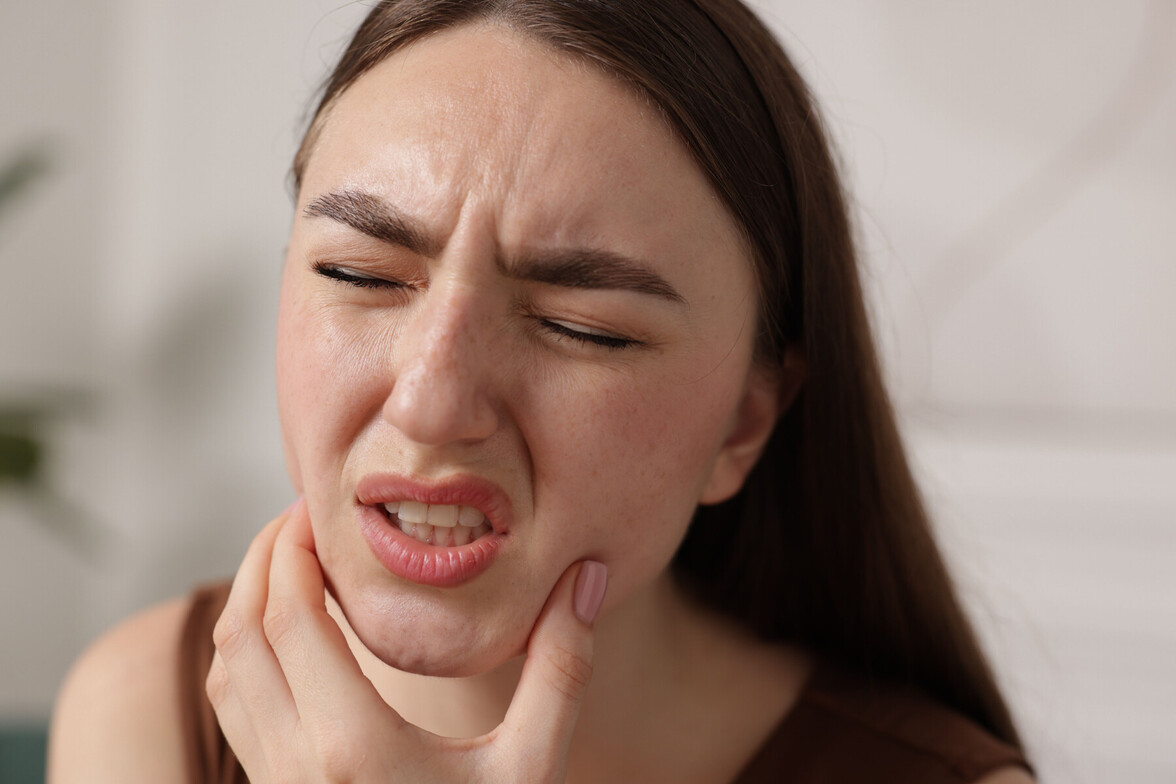
If you get a dull ache in your temples after a long day, a stressful week, or a night of clenching, your jaw might be the one starting it.
A TMJ headache is one of the most common things I see in my Lawrence office. Many people come in after months of treating “regular” headaches with painkillers, and the real source turns out to sit right in front of their ears. Here’s where you’ll feel a TMJ headache, how to tell it apart from a migraine, and what actually helps.
Can TMJ cause headaches?
Yes, and more often than most people think. Your temporomandibular joint (TMJ) is the hinge that connects your jaw to your skull, one on each side just in front of your ears. The muscles that move it are some of the hardest working in your body.
Two of them matter most here. The masseter is your main chewing muscle along the side of your jaw, and the temporalis fans out over your temple. When either one gets overworked from clenching or grinding, it gets tight and starts sending pain up into your temples.
The International Headache Society classifies headaches caused by jaw disorders as their own diagnosis, and a large 2022 review of TMJ and headache research found that roughly 6 in 10 people with TMJ disorders also deal with headaches.
Where is a TMJ headache located?
Most TMJ headaches show up in the temples, right in front of the ears, or along the sides of the face over the chewing muscles. They can hit one side or both. If your jaw trouble is mostly on the left, the headache usually is too.
The pain can also spread behind the eyes, into the cheeks, or toward the back of the head. When it sits mostly at the base of the skull, the neck is usually involved too, since your jaw, neck and shoulders work as a team. If you want to learn whether or not your headaches are coming from neck pain, you can check out my blog post called are your headaches coming from your neck pain?
What does a TMJ headache feel like?
Most people describe a dull, steady ache or pressure, more like a tight band around the head than a pounding. A few clues point to the jaw:
- Pain that gets worse when you chew, talk a lot, or yawn
- Waking up with a headache, especially after a night of clenching or grinding
- A jaw that clicks, pops, feels stiff, or gets tired when you eat
- Sore spots at your temples or along your jaw when you press on them
TMJ headache vs. migraine vs. tension headache
Tension headaches feel a lot like TMJ headaches, a pressing ache around the head, and the two overlap a ton. Migraines tend to throb, often bring nausea or sensitivity to light and sound, and some people get an aura (visual changes) first. A TMJ headache doesn’t come with an aura.
The tricky part is you can have both. Migraines show up more often in people with TMJ problems, so if you get migraines and your jaw always feels tight, it’s worth getting both looked at.
What causes TMJ headaches?
Usually it’s a jaw that’s working overtime. Here’s what I see most often:
- Clenching or grinding, during the day or at night. Jaw clenching can absolutely cause headaches, and many people have no idea they’re doing it.
- Stress. Most of us hold tension in our jaw and shoulders without noticing.
- Desk and phone posture. When your head drifts forward, your jaw and neck muscles work harder. Raising your screen to eye level and moving every 30 to 60 minutes helps.
- Past dental or orthodontic work. Braces, Invisalign and long dental appointments can leave the jaw muscles overworked.
Are TMJ headaches dangerous?
On their own, TMJ headaches usually aren’t dangerous. They can wear you down, but they come from muscles and joints, so there’s a lot we can do about them.
Some headaches do need medical care right away such as the ones with the following symptoms:
- A headache after a fall or a hit to the head
- Numbness, weakness, vision changes, confusion or trouble speaking
- Jaw pain with chest pain, shortness of breath or sweating, which can signal a heart problem
- A sudden, explosive headache reaching peak intensity within seconds or under a minute, often described as the "worst headache of my life". This is a thunderclap headache and you should seek emergent care
TMJ headache relief you can try at home
For a mild flare-up, these are a good place to start:
- A warm compress on your jaw and temples for 10 to 15 minutes to help the muscles relax
- Soft foods for a few days. Skip the gum, jerky and big bites of apple.
- Jaw check-ins. Set a reminder a few times a day, and if you catch yourself clenching, let it go.
A night guard from your dentist is a great way to protect your teeth if you grind. If home care helps for a day and then the headaches come right back, that’s usually a sign the muscles need hands-on work.
How I treat TMJ headaches in Lawrence
At Young Spine & Joint, every visit starts with finding where your headache is really coming from. I look at your jaw, neck and upper back together, since they almost always play off each other.
From there, care usually includes a mix of:
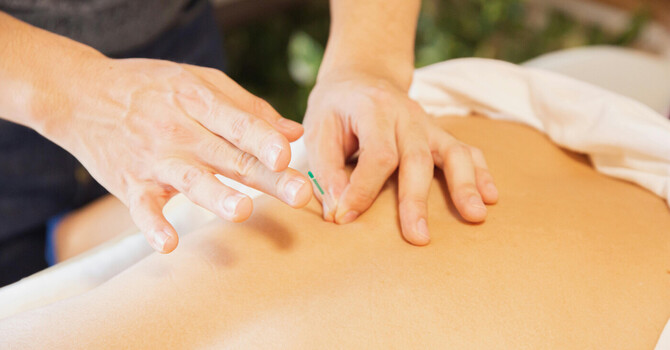
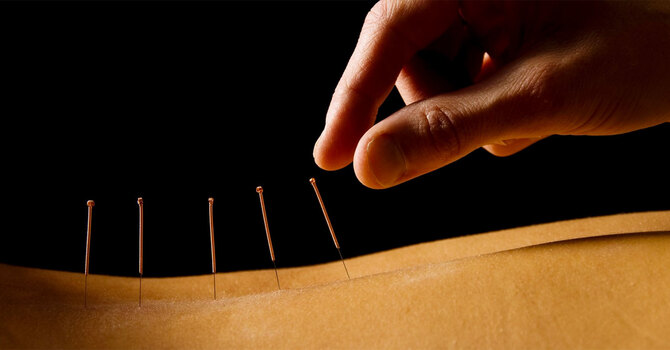
- Dry needling to release the tight spots in your jaw, temple, neck and shoulder muscles. I often add gentle electrical stimulation to help the muscle reset. If needling is new to you, we start at the neck and shoulders and work toward the jaw once you’re comfortable.
- Soft tissue work (IASTM) to loosen up tight, knotted muscle.
- Gentle adjustments to get a stiff neck and upper back moving again.
- Corrective exercises you can do at home so the muscles don’t tighten right back up.
Research supports a hands-on approach like this. A 2023 review in Chiropractic & Manual Therapies found that manual therapy and dry needling ranked as the most likely treatments to reduce TMJ muscle pain.
I’ve completed advanced TMJ dry needling training through Structure & Function Education, and local dentists and orthodontists regularly refer their TMJ patients to me. You can read more about how I help people with TMJ headaches on my TMJ page, or if your headaches seem to start in your neck as much as your jaw, check out my jaw pain and headache page.
FAQs about TMJ headaches
Can TMJ cause migraines?
TMJ problems and migraines often show up together, and for some people jaw tension seems to make migraine days more frequent or harder to shake. Keep working with your doctor on migraine care. Calming down tight jaw and neck muscles can be a helpful piece of that plan.
Will a TMJ headache go away on its own?
A mild flare from a stressful week or a chewy meal often settles within a few days with rest and home care. If the headaches keep coming back for weeks, the muscles are usually stuck in a tight pattern, and hands-on care can help break that cycle.
Can TMJ cause pressure in your head or ears?
Yes. The jaw joint sits right in front of your ear canal, so ear fullness or pressure along the side of the head is common. If you also have hearing loss, drainage or a fever, check in with your primary care doctor.
Get help for TMJ headaches in Lawrence, KS
If you’re in Lawrence or anywhere in Douglas County and your jaw keeps turning into a headache, let’s figure out what’s going on. Book your first visit online or call (785) 813-1218, and see what other patients say about Young Spine & Joint on Google.
Let’s win your life back.